

Cargo Lifts
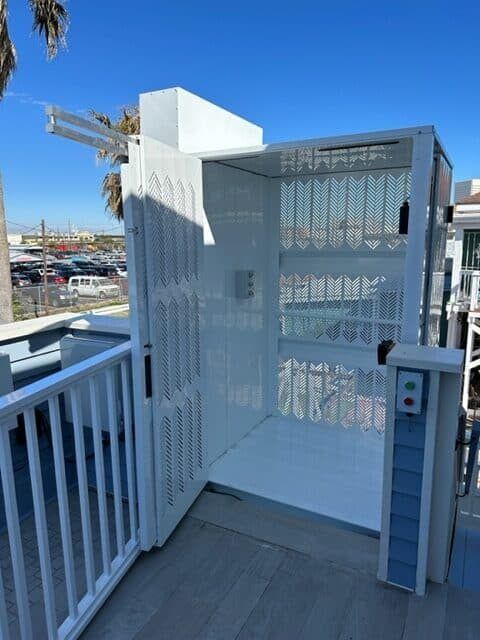
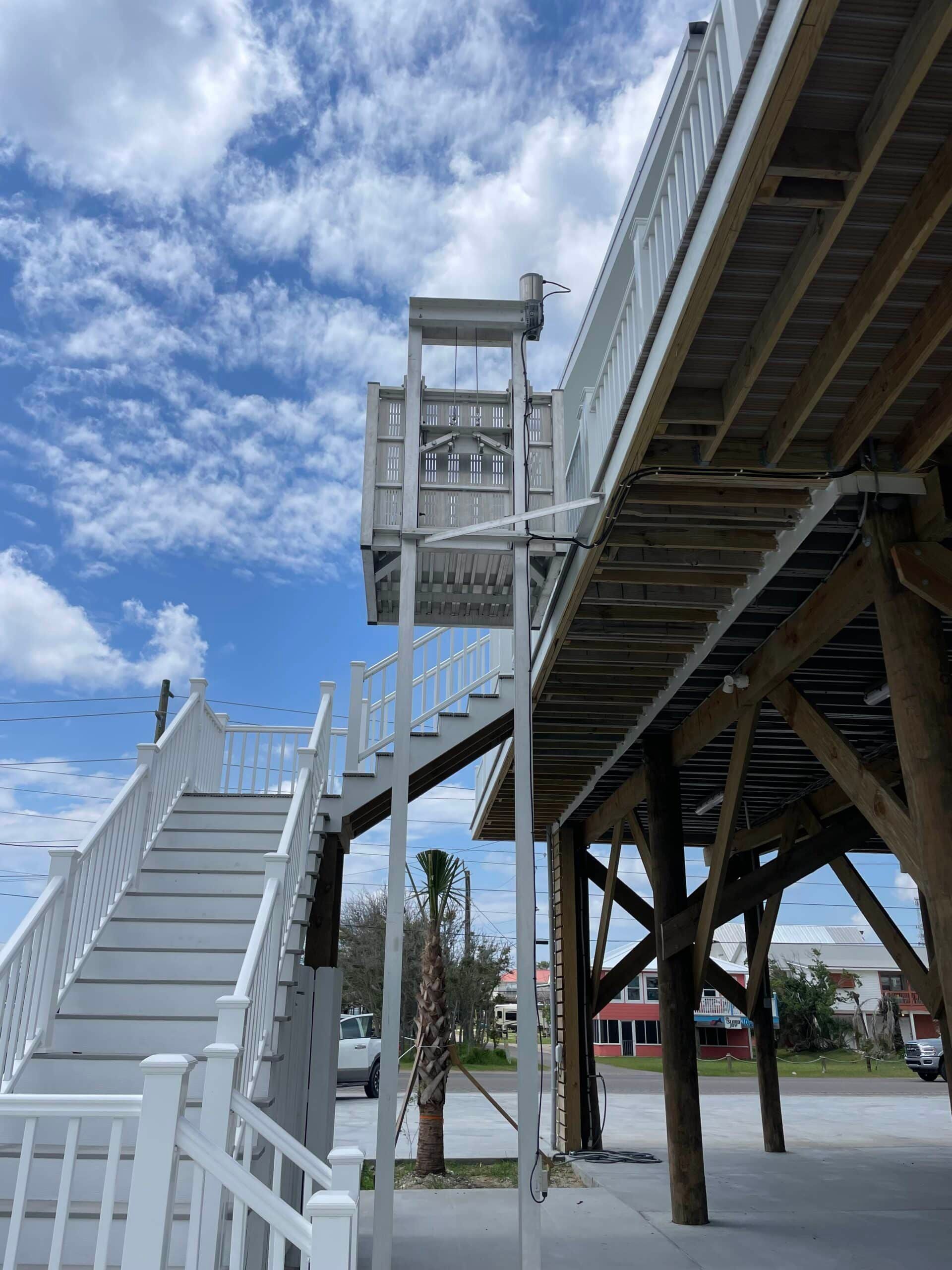
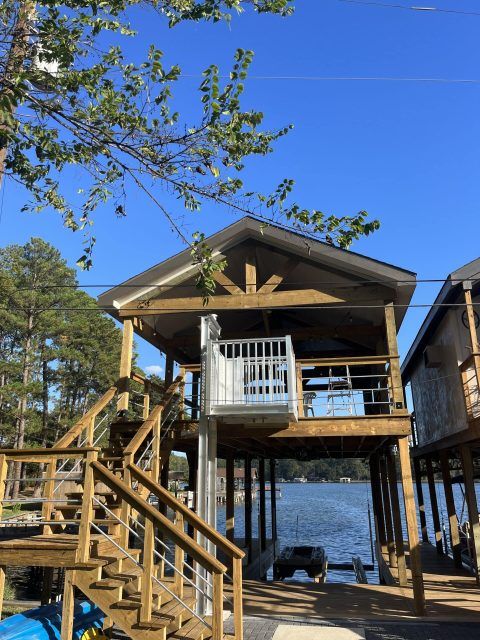
Veranda 'Vator is proud to manufacture industry-leading lifts that prioritize safety and reliability.
Passenger Compliant Elevators
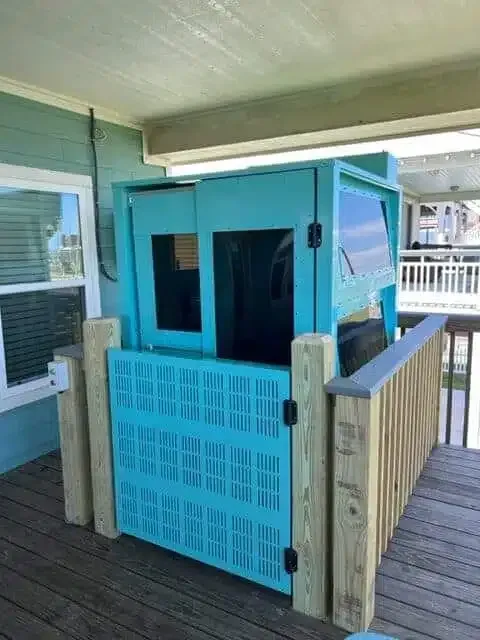
At Veranda 'Vator, we take pride in producing some of the safest and most reliable passenger elevators available on the market today.
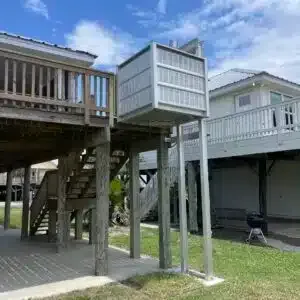
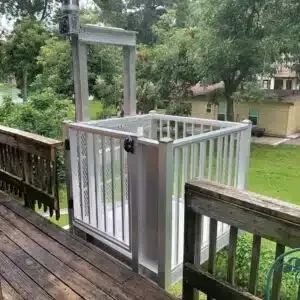
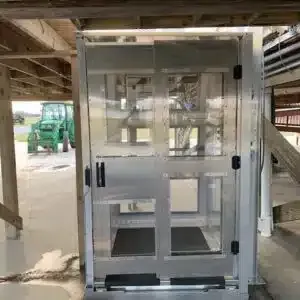

1. Buy from an established manufacturer and know their history. Metal shop reality TV has made welding a popular hobby. All too often hobbyist welders see a metal product they can duplicate and figure they can get into the manufacturing biz. This is bad for consumers because these garage mini factories rarely last, and rarely have adequate quality control in place. 2. Ask to see engineering drawings with a raised seal from a reputable third party structural engineer, and know what they are certifying. As a cargo lift buyer you should be concerned about whether the lift you are buying meets the specifications as advertised. Any reputable manufacturer will have already had an engineer who is separate from their firm, review their design and place their raised seal on the plans. Reasons for this is to validate the lifting capacity and to validate it will meet windstorm criteria. Both of these points must be in writing, on stamped drawings, with the manufacturers name on themfor you to know you are getting what you are paying for. If you are buying a lift advertised at 1000lb capacity it needs to state that specifically on the plans. Unscrupulous manufacturers will have less critical aspects of the lift evaluated so they have something with a raised seal in hand. They will then attempt to trick unwitting clients into thinking the stamp certifies all of their advertising claims. Be further aware that engineers specialize in different things. This is a structural engineer application. Be wary of plans stamped by civil engineers, electrical engineers etc, and also by in house engineers who are employed by the manufacturer. 3. Get a copy of the manufacturer’s insurance certificate. Homeowners often ask the contractors doing the installation for proof of insurance, but the lift manufacturers proof of insurance is often ignored. 4. Verify your lift is made by who the contractor says it is. Knocking off a product and then “passing off” as a name brand is common and illegal. Ask your lift manufacturer for ways to identify whether your lift is genuine. Even if the seller admits it is a knock off you will likely be getting something built by a facility we discussed in point 1. 5. Communicate directly with the lift manufacturer before making your choice. Installation contractors are often more concerned with making the right choice for themselves, not you. Most of the time an installer will put in the lift of your choice regardless of whether they have bias towards one or the other. If you find a lift manufacturer you like ask them to recommend an installer in your area.